
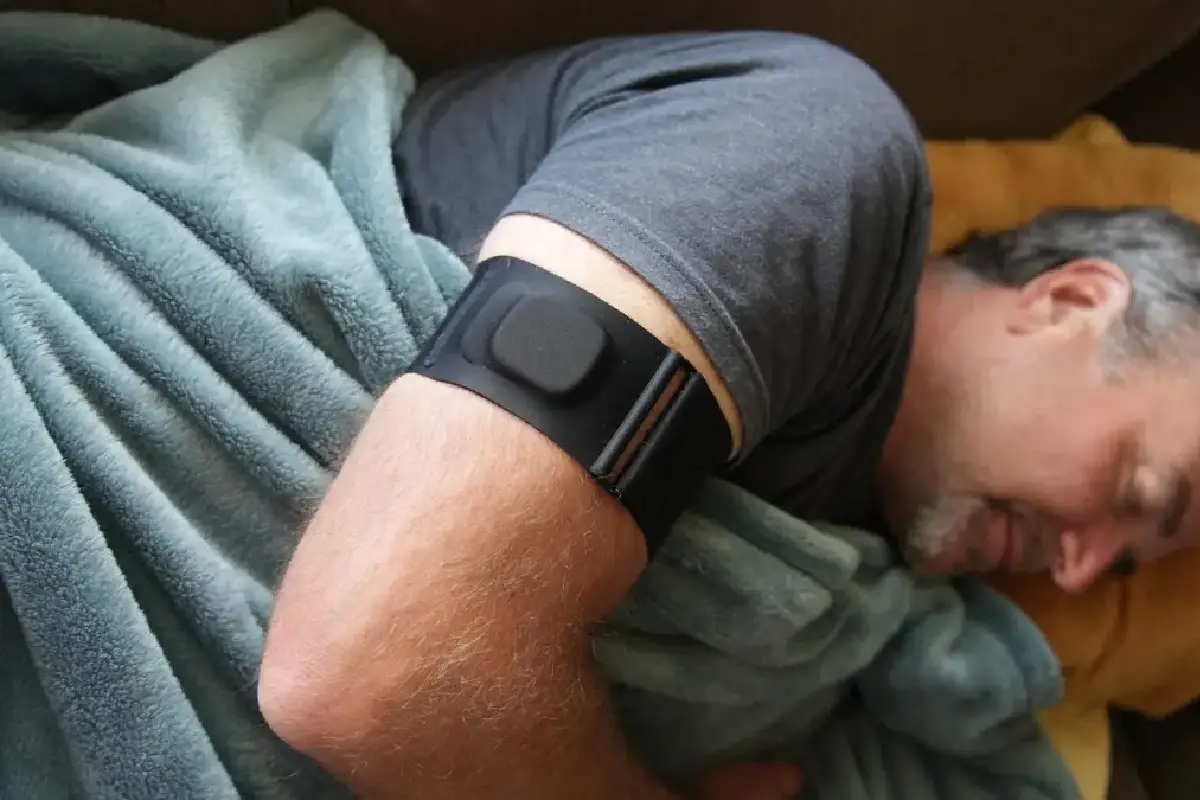
The most common way to assess how health is going is how the morning felt. Fine. Pretty good. Rough. That’s not nothing. It’s also not enough to make specific decisions with, especially once the health variables being worked on are more precise than ‘better in general.’
Tracking sleep quality, heart rate variability, and inflammation markers changes the equation. The guessing ends. The knowing starts.
Table of Contents
Sleep Tracking
Not hours in bed. What actually happens during those hours. Time in deep sleep, REM, fragmentation patterns, whether the pattern holds night to night or swings wildly depending on factors that aren’t obvious yet. A decent tracker shows what the body is actually doing overnight, which is frequently not what the morning feeling suggests. The most common reaction from people who start tracking sleep seriously is mild betrayal.
Nights that felt completely fine show up as fragmented and shallow. Nights that felt rough sometimes look surprisingly decent. The gap between subjective experience and the data is the whole point of collecting it. Once the actual picture exists, there’s something specific to work on. Before it does, it’s just vibes.
Heart Rate Variability
HRV measures the variation in time between heartbeats. Higher variability generally means the nervous system has recovered and is ready for what’s coming. Lower HRV, particularly as a multi-day trend rather than just one rough morning, means the body is carrying more cumulative load than it’s comfortably handling. Athletes use this to decide when to push and when to back off, and it works because the body can’t lie about its own nervous system data.
Subjective feelings can. Training motivation can. HRV just reports what it finds. For anyone making recovery decisions based on something more reliable than whether they feel like training today, it’s one of the more honest metrics available.
Inflammation Markers
C-reactive protein can be elevated with absolutely zero obvious symptoms. No swelling. No pain. Nothing that would make a person think, yes, something specific is wrong here. Chronic low-grade inflammation is extremely good at being invisible. It just quietly drags down energy, slows recovery, makes thinking feel slightly harder than it used to, and keeps the immune system working overtime on something it won’t explain.
Meanwhile, the person living with it is blaming coffee, stress, getting older, Mercury retrograde, anything that comes to mind, because there’s no obvious signal pointing anywhere useful.
Tracking CRP periodically, especially around changes to diet, training load, or anything else major, creates a window into something that would otherwise stay completely invisible. The difference between a specific problem and an unidentified one is that specific problems can actually be addressed.
Unidentified ones just get managed vaguely, which mostly means not very well, for a very long time.
Where Peptides Fit In
When people track these markers and start examining what actually moves them, the question of targeted interventions comes up naturally. Interest in peptides Canada options has grown alongside broader interest in research-backed recovery tools, largely because tracking creates the before-and-after data needed to evaluate whether a specific intervention is doing anything. Without that data, trying a compound is guesswork. With it, there’s a real mechanism to separate signal from noise. That’s a meaningful difference.
Conclusion: The Practical Side of Actually Doing This
Obsessive data collection is not the goal. A morning HRV reading, a weekly review of sleep trends, and bloodwork every few months build a meaningful picture without becoming a second job. The aim is enough data to make actual decisions rather than educated guesses. The numbers won’t always be flattering. They also don’t need outside interpretation. Once the patterns are familiar, what needs attention becomes obvious fairly quickly.
Three data points tracked consistently are worth more than fifteen tracked when it’s convenient. Start with one. Get consistent with it. Add the next one.