
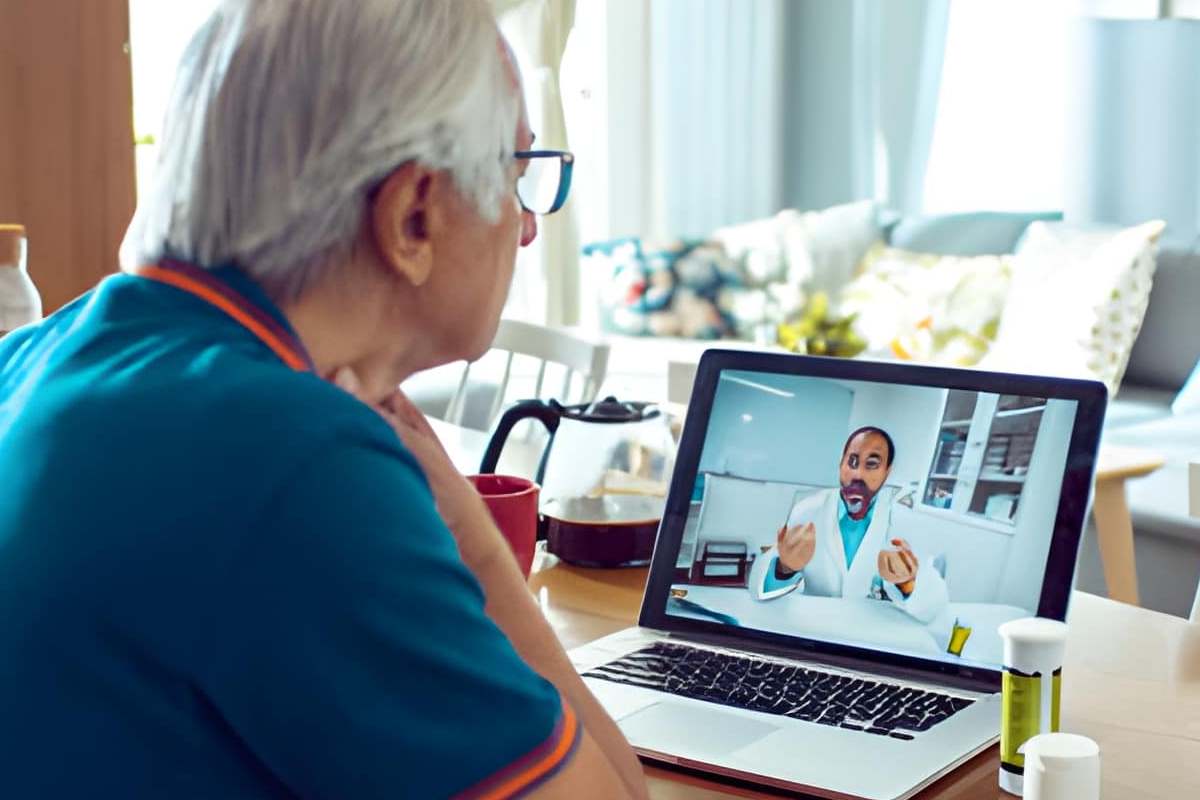
Digital tools and telehealth are improving how we provide treatment and aftercare for those recovering from substance abuse. The traditional model of seeking out a treatment facility and attending an in-person support group or individual therapy puts a burden on the patient. This can be an uphill battle, especially for those who are reluctant to receive treatment or deny the need for it. As a result, many who initially start on their recovery journey may feel discouraged and decide not to stick with it in the long term.
However, newer tools and digital platforms are revolutionizing the space for patients and clinicians. Many of the barriers associated with traditional care models are removed due to telehealth services, leading to improved health outcomes. Here are a few ways that these platforms are transforming substance abuse treatment and aftercare.
Table of Contents
Accessibility and Convenience
Getting professional help is readily available thanks to new digital tools and telehealth platforms. Today, individuals in the most remote parts of the country can receive the assistance and counseling they need from the comfort of their own homes. And those with specialized needs don’t have to worry about traveling to a major metropolitan city to receive these services. Instead, anyone can log onto a secure telehealth platform and speak with a trained professional or medical expert.
Accessibility and convenience are two critical factors for those currently receiving treatment for their substance abuse, as well as those in aftercare. Having help at their fingertips is one less barrier to overcome. It removes the logistical challenges of physically going to a treatment facility to receive substance abuse services. Additionally, these digital tools can help those with physical disabilities and limitations, ensuring that everyone has an equal opportunity for recovery.
Privacy
Another major advantage of digital recovery tools and telehealth services is the enhanced sense of privacy. There is a certain stigma tied to seeking help for substance abuse. As a result, many might fear visiting a treatment center because they worry about being recognized by someone from their community. However, the option to log on and chat with a counselor from home eliminates this privacy concern entirely.
Speaking with someone remotely can increase trust. Going to an unfamiliar environment and chatting with a stranger about your vulnerabilities is intimidating for anyone. But being in the privacy of one’s own home can lead to more honest communications between a patient and the therapist.
These platforms take security and privacy matters seriously, and specific measures such as encryption are leveraged to protect patient data. Patient identity verification, password-protected portals, and security software are other measures put in place by these tools to prevent unauthorized access and security breaches from occurring.
Real-Time Support
Those with a substance abuse background may need support at any time of day. Certain triggers, such as a holiday party or an invitation from a certain friend to go to a bar, can provoke someone in treatment to slip. Even if the patient is attending regular one-on-one and/or group therapy sessions, having the ability to talk to someone in real-time for support can be advantageous. Continuous care may make a difference between sticking with their health goals and slipping into old patterns.
Having 24/7 support can be beneficial in tracking progress, managing temptations, and intervening during high-risk situations. If a patient feels like they are entering a moment of temptation, they may proactively reach out to a counselor via text message or set up a telehealth appointment to address their feelings then. This can be extremely beneficial for those exiting an inpatient facility and returning to their regularly scheduled lives.
Data-Driven Treatment
No one person’s recovery journey will be identical. What works well for one person may not work well for the next. Thanks to data analytics and artificial intelligence (AI), treatment plans can be tailored to specific individuals and their personalized goals. These insights can help therapists, psychologists, nutritionists, health coaches, medical professionals, and others within a patient’s care team suggest protocols that will work best for the individual.
As an example, a patient may be given a wearable device to monitor and track their progress. A health coach may check in on the patient’s sleeping behaviors, suggesting certain lifestyle changes to encourage more restful sleep. At the same time, a healthcare professional may look at the patient’s heart rate variability to see when stressors may be a cause for concern. These types of insights can help clinicians adjust strategies proactively without relying on the patient to verbally tell them how they’re feeling.
In Conclusion
Digital tools and telehealth are making substance abuse recovery treatment and aftercare more accessible, flexible, and responsive to patient needs. Instead of waiting for their next appointment or therapy session, patients can check in with their clinician or therapist remotely. This puts the power back into the hands of the patient, creating a more active, engaged role for them.
Alongside this, clinicians can receive real-time alerts based on data from wearable technology, which can lead to more positive interventions during high-risk moments. Because of these digital developments, patients may experience more positive, improved health outcomes compared to the traditional clinician setting.